
Hawksbill Turtles & Dune Conservation
Behind the museums and five-star resorts, Saadiyat protects one of the Arabian Gulf's most delicate habitats — a 9-kilometre natural beach where critically endangered Hawksbill turtles return each year to nest.
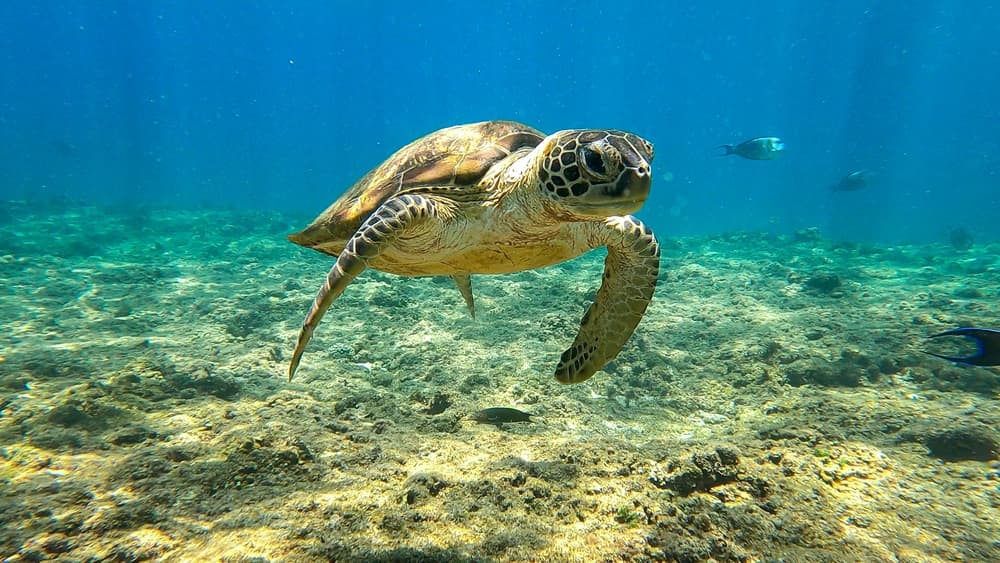
Quick Summary
Saadiyat Island is one of the UAE's most vital marine sanctuaries — a protected 9-kilometre beach where critically endangered Hawksbill turtles nest between April and September. Backed by the Environment Agency – Abu Dhabi (EAD) and the island's eco-resorts, strict measures — elevated boardwalks, night-time light controls and beach clear-up rules — protect both the fragile dunes and the hatchlings.
A unique coastal sanctuary
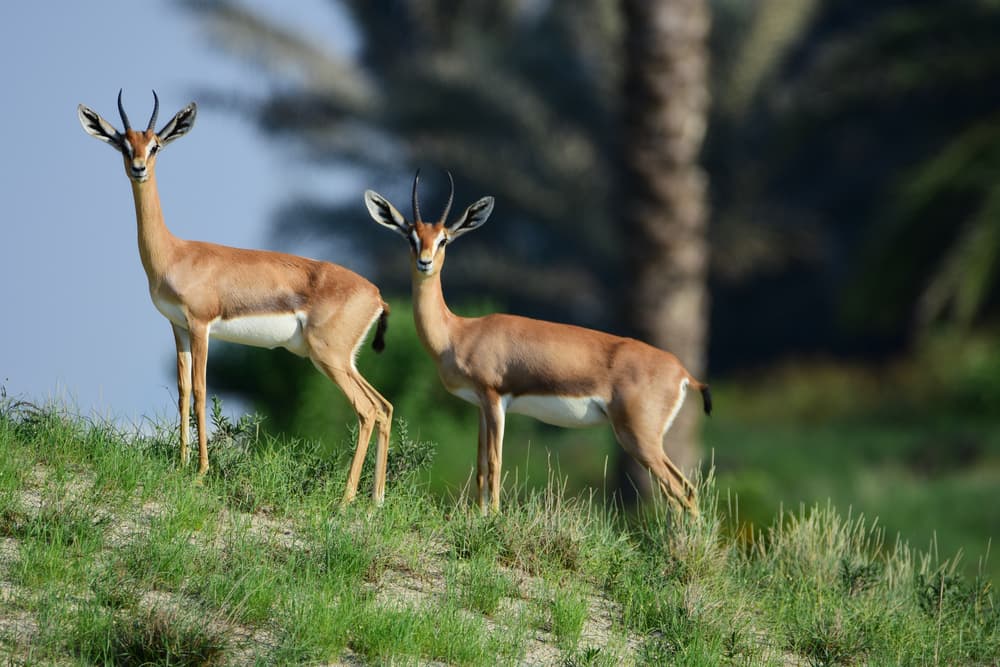
Beyond its world-class museums and resorts, Saadiyat harbours one of the Arabian Gulf's most precious natural habitats. Its sweeping stretch of white sand is backed by a native coastal dune ecosystem that shelters indigenous flora and fauna — from ghost crabs and shorebirds to the Arabian gazelles that graze the island's protected greenery.
Unlike the region's heavily developed beachfronts, Saadiyat's coastline is deliberately preserved. That balance between ultra-luxury hospitality and strict environmental stewardship has made the island a global benchmark for sustainable coastal tourism.
The story of the Hawksbill turtle
The Hawksbill (Eretmochelys imbricata) is classified as Critically Endangered on the IUCN Red List. Named for the curved, beak-like jaw it uses to hunt sponges among coral reefs, this ancient species has called Abu Dhabi's waters home for millennia.
April – June
Nesting season
Females return to the exact beach where they hatched decades earlier. Climbing above the high-tide line into the soft dunes, each digs a deep chamber and lays around 90–100 eggs before slipping back to sea.
June – September
Hatching season
After roughly 50–60 days of incubation, the young hatch beneath the sand. Guided by natural horizon light reflecting off the water, they make the perilous dash from dune to sea.
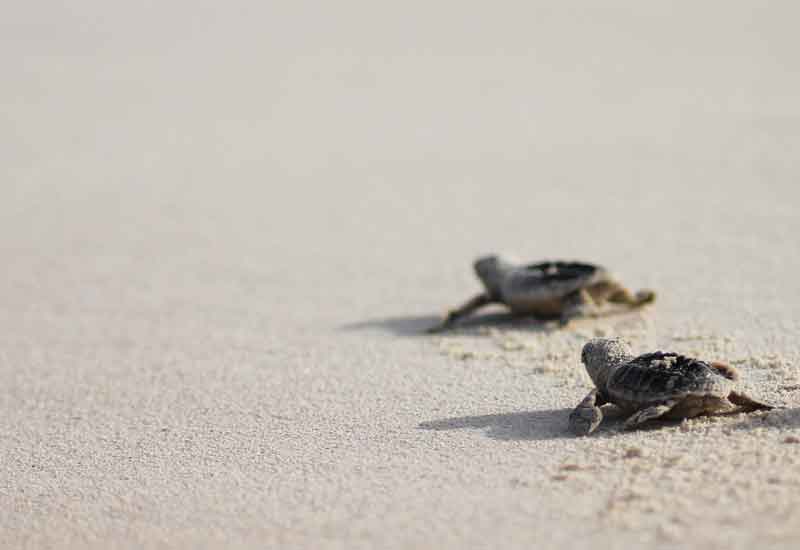
Since dedicated protection programmes launched on Saadiyat, thousands of Hawksbill hatchlings have successfully reached the Arabian Gulf.
Why the dune system matters
The rolling dunes framing Saadiyat Beach are far more than a picturesque backdrop — they are a critical biological defence line.
🌊
Natural flood & erosion barrier
The dune ridges anchor native coastal vegetation like sea lavender and dwarf palms. Their root networks trap blowing sand, holding the shoreline stable against high tides, storm surges and erosion.
🥚
High-ground nesting protection
Hawksbills rely on elevated dune slopes to keep nests above the water line. If the dunes flatten under foot traffic, nests risk flooding — which destroys the developing eggs.
🪵
The raised boardwalk solution
Every resort and public access point uses raised wooden boardwalks. Floating above the sand, they let visitors reach the beach without crushing dune roots or disturbing hidden nests.
Luxury meets ecology
Saadiyat's hotels — including The St. Regis, Park Hyatt, Jumeirah at Saadiyat Island and Saadiyat Rotana — operate under strict environmental protocols monitored by local conservation teams.
| Measure | Action | Benefit |
|---|---|---|
| Light-pollution control | Low-wattage, warm amber lighting angled downward at night. | Stops hatchlings mistaking hotel lights for the ocean horizon. |
| Nighttime beach clear-up | Loungers, umbrellas and watersports gear stored away by sunset. | Removes obstacles for nesting mothers and emerging hatchlings. |
| Dune buffer zones | No permanent construction inside designated dune zones. | Preserves the natural topography needed for successful egg-laying. |
| Active nest monitoring | Patrol teams locate, flag and monitor active nest sites. | Protects eggs from accidental disturbance until hatching completes. |
How you can help protect the shoreline
Whether you visit for a day pass or an extended stay, small acts of cooperation keep this ecosystem intact.
Stay on the wooden boardwalks — never step onto the dunes or disturb the coastal plants.
Respect nighttime beach closures during nesting and hatching season (April to September).
Avoid phone flashlights, flash photography and bright white light near the beach at night.
Place all wrappers, plastic bags and personal items in sealed waste bins.
Meet a nesting turtle or hatchling? Stay at least 15 metres away, stay low and quiet, and alert a lifeguard or hotel security.
Frequently Asked Questions
Hawksbill turtle nesting typically begins in April and runs through June, with hatchlings emerging from June through September.
No. Walking on the dunes is strictly prohibited under local environmental regulations. Use the designated raised wooden boardwalks to cross from the resorts to the shoreline.
Do not touch, pick up or shine lights at the animal. Keep a respectful distance, minimise noise, and report the sighting to the nearest lifeguard, resort team member or the Environment Agency – Abu Dhabi (EAD).
Explore more of what Saadiyat has to offer
← Back to EnjoyThis is an independent visitor guide, not affiliated with any governmental department. Turtle nesting dates vary year to year — always follow on-site signage and the instructions of resort and Environment Agency – Abu Dhabi teams.